

Future Skills Atelier
Seville, Spain. A group of young people working on circular fashion and sustainability in the creative industries.
Youth Exchange 2027 · Erasmus+
Ten days in Seville for young people from Spain and North Macedonia. Eight of them are working days; 4 and 13 February are travel days. You learn how a collection is designed when circularity, sustainability and climate change come first, in mixed teams from both countries. At the end the group presents it.
4 to 13 February 2027. Applications close on 6 December 2026.

Circular fashion is the textile side of the circular economy. Instead of a garment going from shop to bin inside one season, it is designed, made and worn so that the material can come back as a new product.
A linear wardrobe takes raw material, turns it into a garment, and the garment ends as waste. A circular one designs that waste out from the start. Clothes last longer, they are repaired rather than replaced, and when they finally leave use the fibre is recovered and spun again.
None of this is new in Seville. The city has always mended and resold its clothes. Circular fashion gives that habit a name, a design method, and a set of European rules that make it the default.
The fibre goes back to the start
The design work follows four rules. Waste is settled long before anything is cut, so the sessions look at how design and material choices decide what is left over, and how a collection is planned so that the leftover has somewhere to go. After that a garment has to stay in use, repaired, altered, resold, because the longer it is worn the smaller its footprint for each year. When it finally leaves use the fibre is sorted and spun into new yarn rather than buried or burned. The last rule belongs to whoever wears the thing and costs nothing: buy less, buy better, buy second hand.
Fashion is one of the most polluting industries in Europe, and it employs a great many young people. The European Environment Agency ranks textiles fourth for pressure on water and raw materials, and fifth for greenhouse gas emissions. The people who will work in the sector have almost no access to training in the alternative.
Textiles are the fourth highest pressure category on primary raw materials and water use in the EU. Clothing and footwear alone produce 5.2 million tonnes of textile waste every year, and less than one per cent of what is discarded worldwide comes back as new clothing. The rest is burned, buried or shipped away. The EU Strategy for Sustainable and Circular Textiles sets 2030 as the point where every textile product on the market is durable, repairable and recyclable.
Europe has already chosen the direction. Separate collection of textiles has been mandatory in every member state since 1 January 2025, and the strategy asks for products made largely from recycled fibres, free of hazardous substances and produced with respect for social rights. That decision creates work, and it opens a skills gap.
In Seville, sustainability is still read as expensive or unfashionable, and the young people with least access to training are those from migrant and working class families. The exchange recruits from exactly there: twelve of the twenty-four places are reserved for young people with fewer opportunities, and the inclusion support in the grant covers the extra cost that creates.
Twenty-four young people leave able to explain what makes a collection circular. They can choose a fibre for a reason and run a circular fashion session of their own. The Spanish and Macedonian groups work in mixed teams throughout, so the collection answers two cultures at once and belongs to neither country alone. Afterwards each participant runs one local action, in a school, in a youth centre, or on a clothes swap day.
| Dates | 4 to 13 February 2027. Ten days in Seville, eight of them training. Arrival at 2:00 pm on 4 February and departure at 10:00 am on 13 February, both travel days. |
|---|---|
| Participants | 24 young people aged 18 to 30. Twelve from Spain, twelve from North Macedonia. |
| Fee | None. Every participant receives a Youthpass at the end. |
| Working language | English, at a level that lets you follow the sessions and work in a group. |
Each country sends twelve participants. With group leaders and facilitators, thirty-one people take part in total.
Seville, Spain. A group of young people working on circular fashion and sustainability in the creative industries.
Skopje, North Macedonia. A Macedonian NGO for LGBTQ+ rights and youth empowerment. It runs the National LGBTI+ Helpline.
You work in mixed teams to design a collection that holds circularity, sustainability and climate change at its centre, drawing on both cultures in the room. At the end the group presents it.
The sessions cover circular design, zero waste and upcycling as ways of thinking about clothes, plus ethical sourcing and expert-led sessions on the circular economy. You look at what fast fashion costs the climate, and at what the European Green Deal and the textiles strategy ask of the sector by 2030.
This is a programme about how clothes should be designed, sourced and kept in use. It is not a sewing course, and you do not need any craft experience to take part. What you do need is English, since every session runs in it.
Sessions follow non-formal methods. Participants design the icebreakers and co-facilitate, and reflection groups meet every day. Intercultural evenings help the two groups get to know each other.
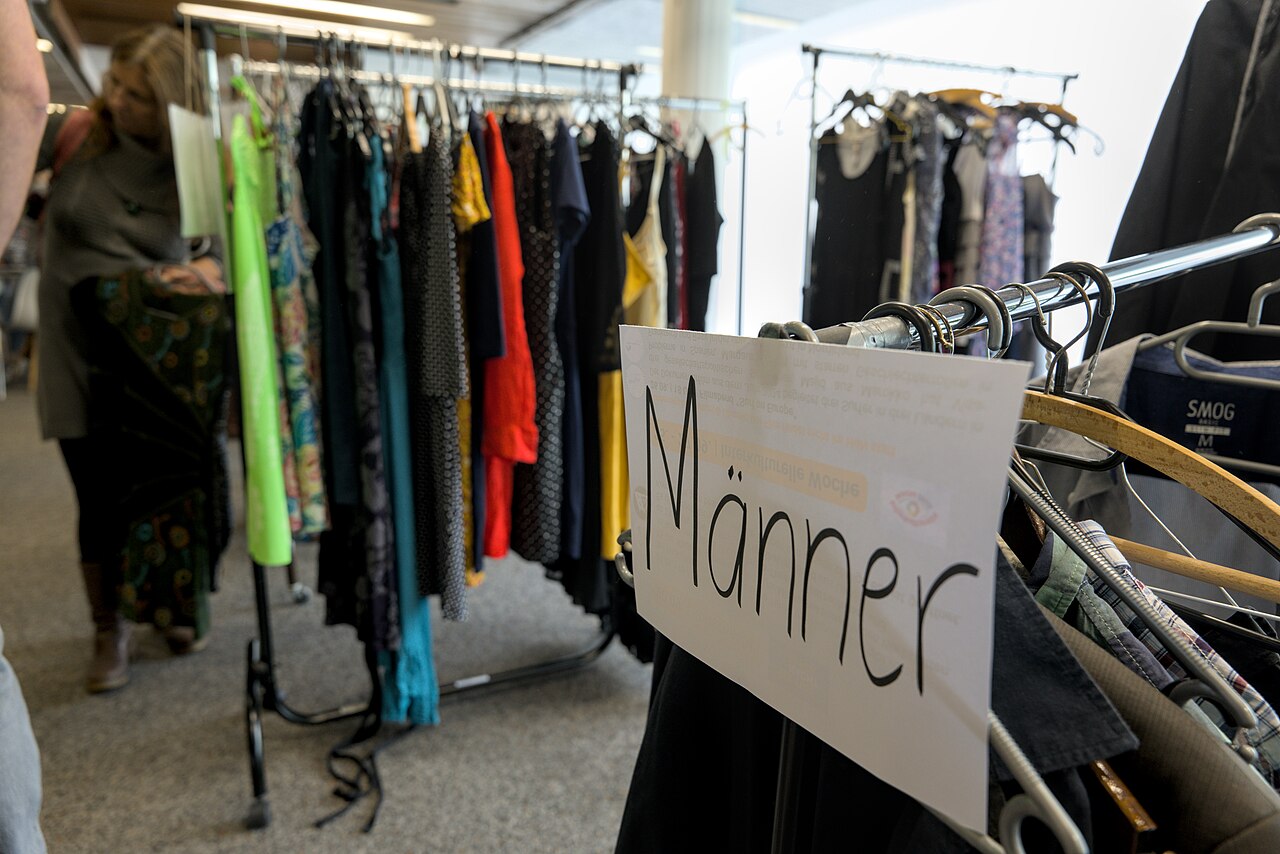
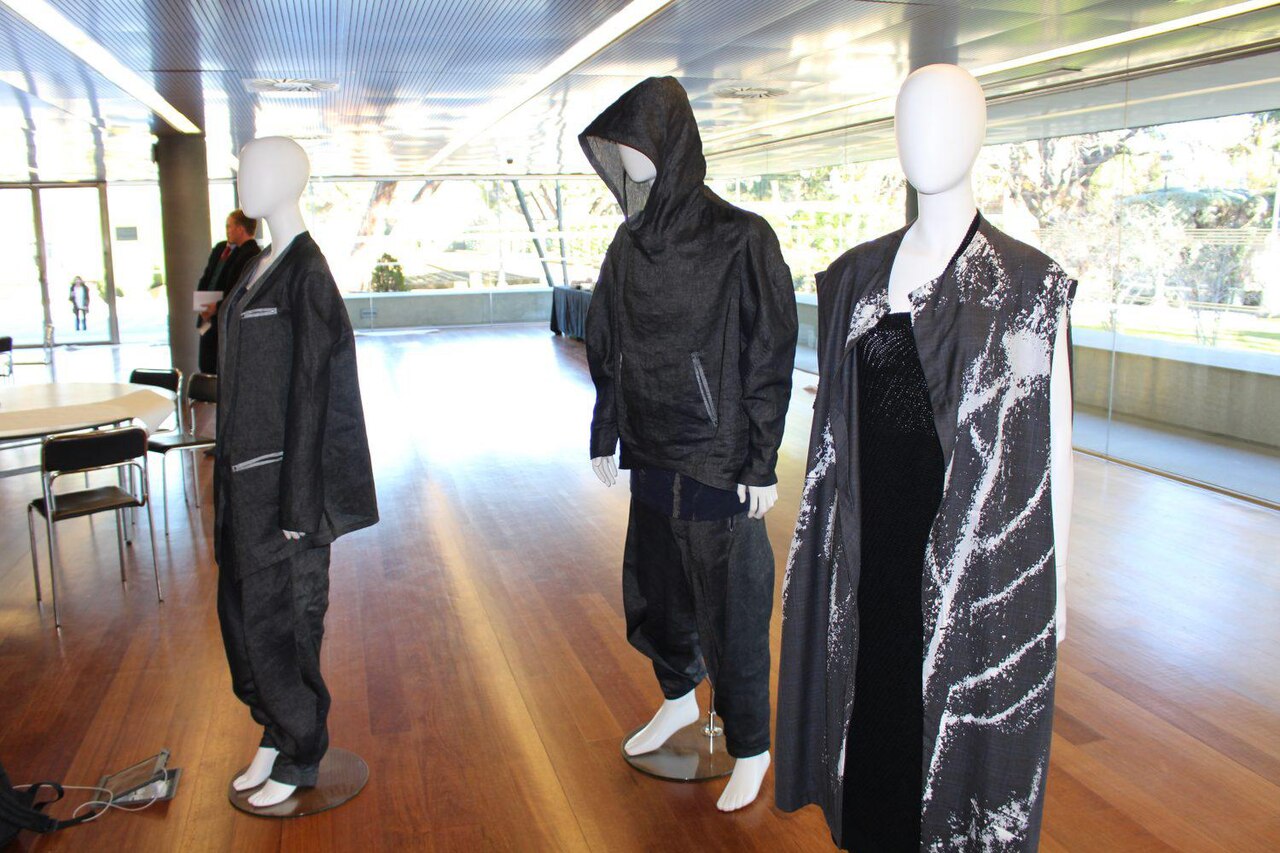
The final presentation
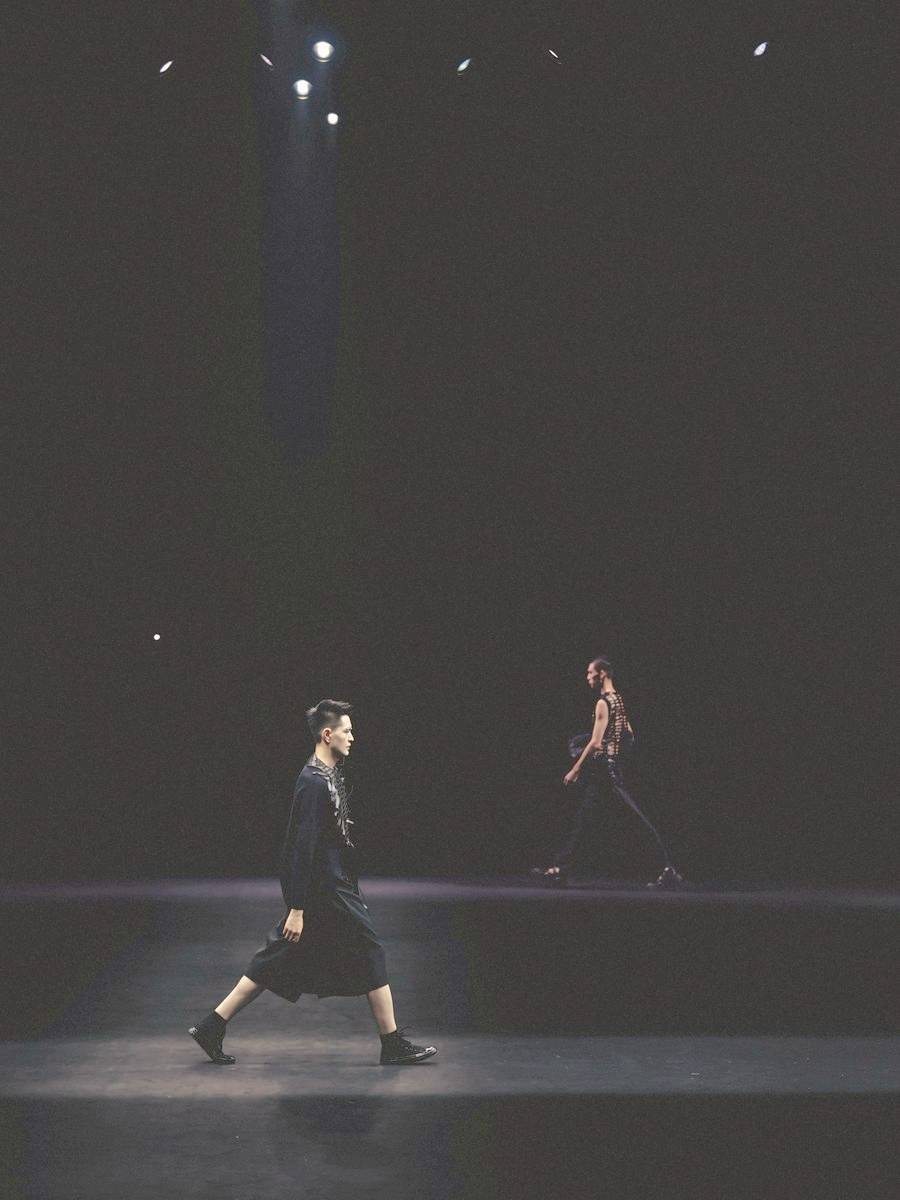
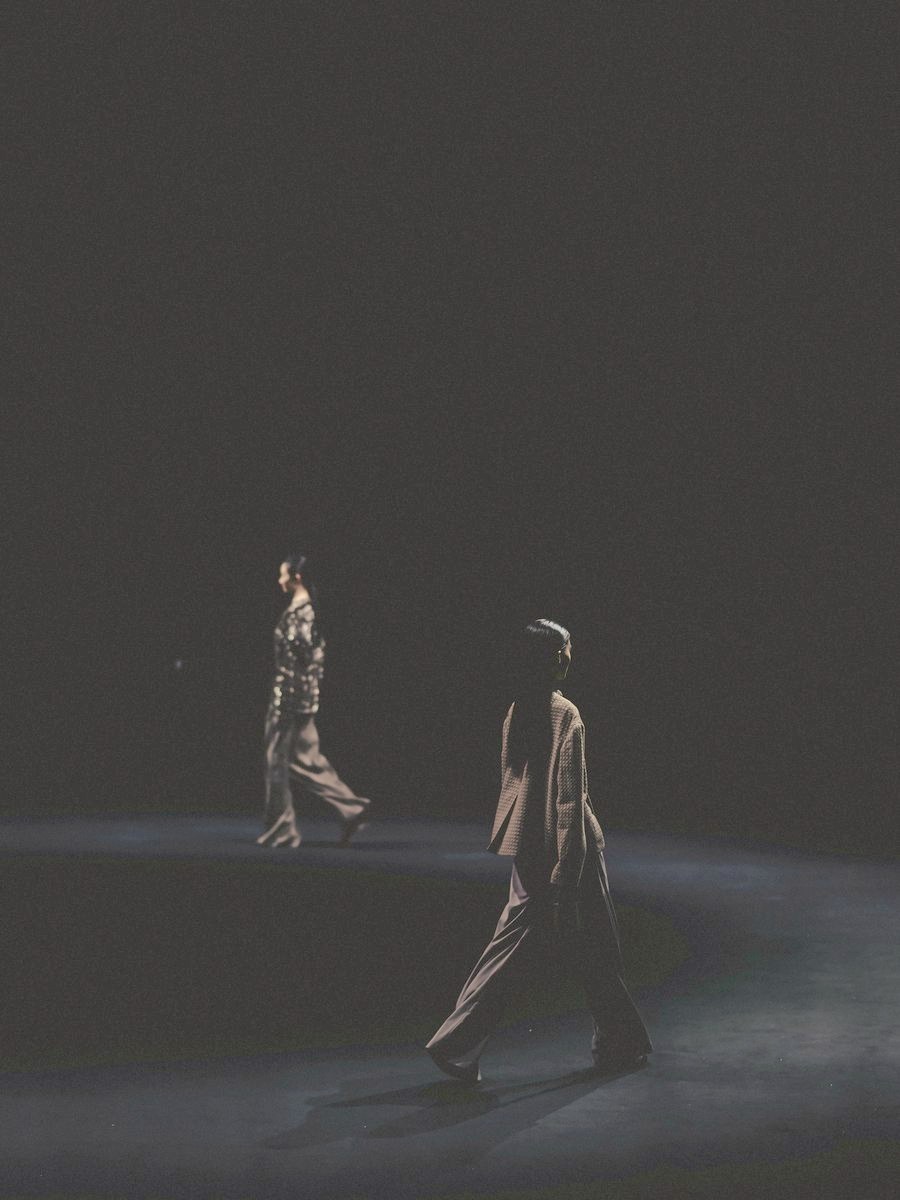
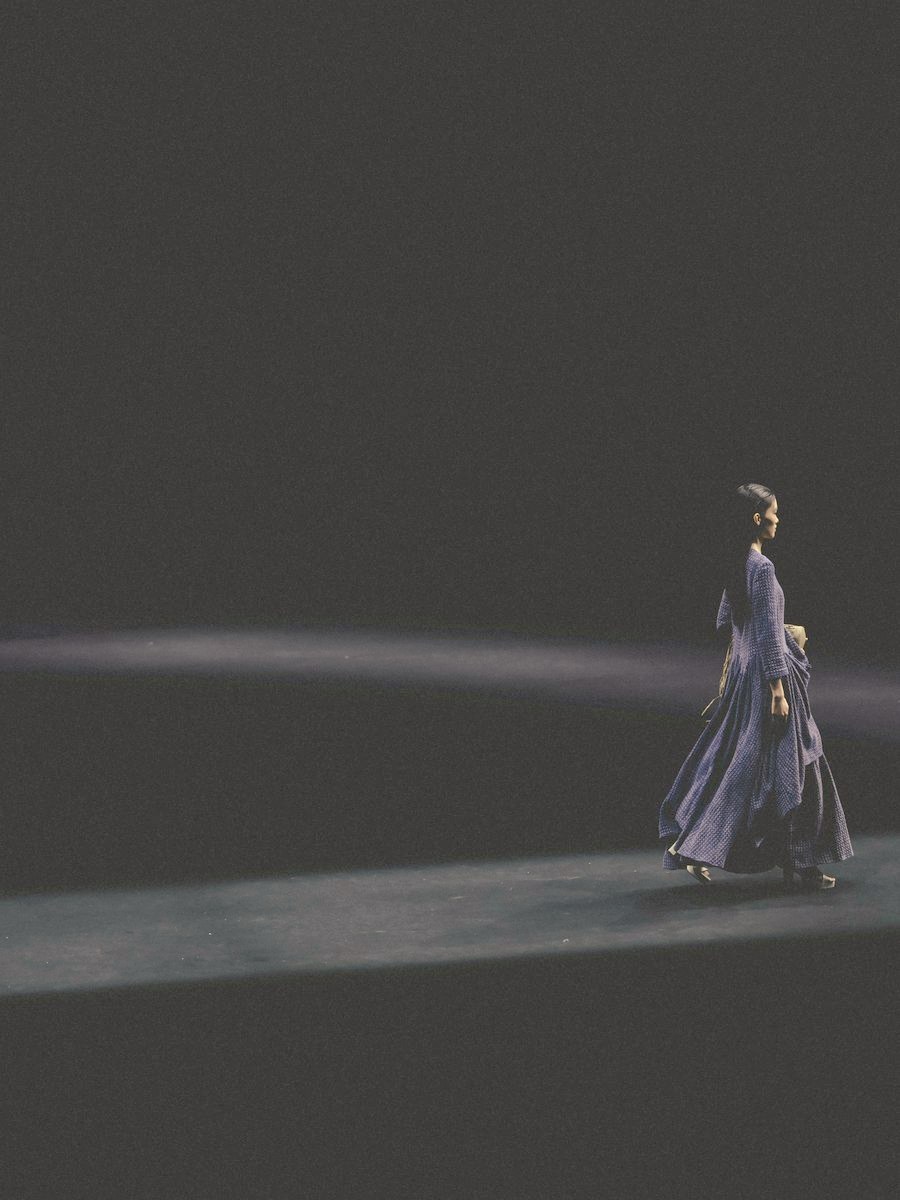
The two weeks end with the collection on a body, in front of the room, and each team explaining the decisions behind the pieces.
Everyone is welcome, whatever their gender, orientation or background. At the start of the exchange the group writes the Code of Conduct, built on mutual respect and equality, with zero tolerance for harassment. Named well-being contact persons are there for you, and the reporting steps are explained on day one. Small reflection groups and a buddy system give each participant someone to turn to.
The group writes this one too. Catering is local and seasonal. Reusable materials come first and digital materials take priority over print. Where we can, we choose sustainable transport. We separate our waste and save energy throughout the stay.
Your group takes part in online preparation meetings before the exchange. You receive travel and reimbursement guidance, and we support you with travel documents and visas if you need them.
There is no participation fee. Travel is reimbursed on the Erasmus+ distance bands for your trip, and accommodation and food are covered by the grant. Keep every ticket and boarding pass, because the reimbursement depends on them.
Valid health insurance is required, with the EHIC where it applies. Please tell us about any dietary or access needs early, so we can plan for them. Accommodation and venues meet safety standards and take access needs into account.
Arrival is at 2:00 pm on 4 February and departure at 10:00 am on 13 February, so book your travel around those times. The venue and the accommodation addresses go to everyone accepted. The emergency number in Spain is 112.
Addresses and the on-site number. Sent by email to everyone accepted.
Seville stands on the Guadalquivir, 90 kilometres from the Atlantic and two and a half hours from Madrid by high-speed train.
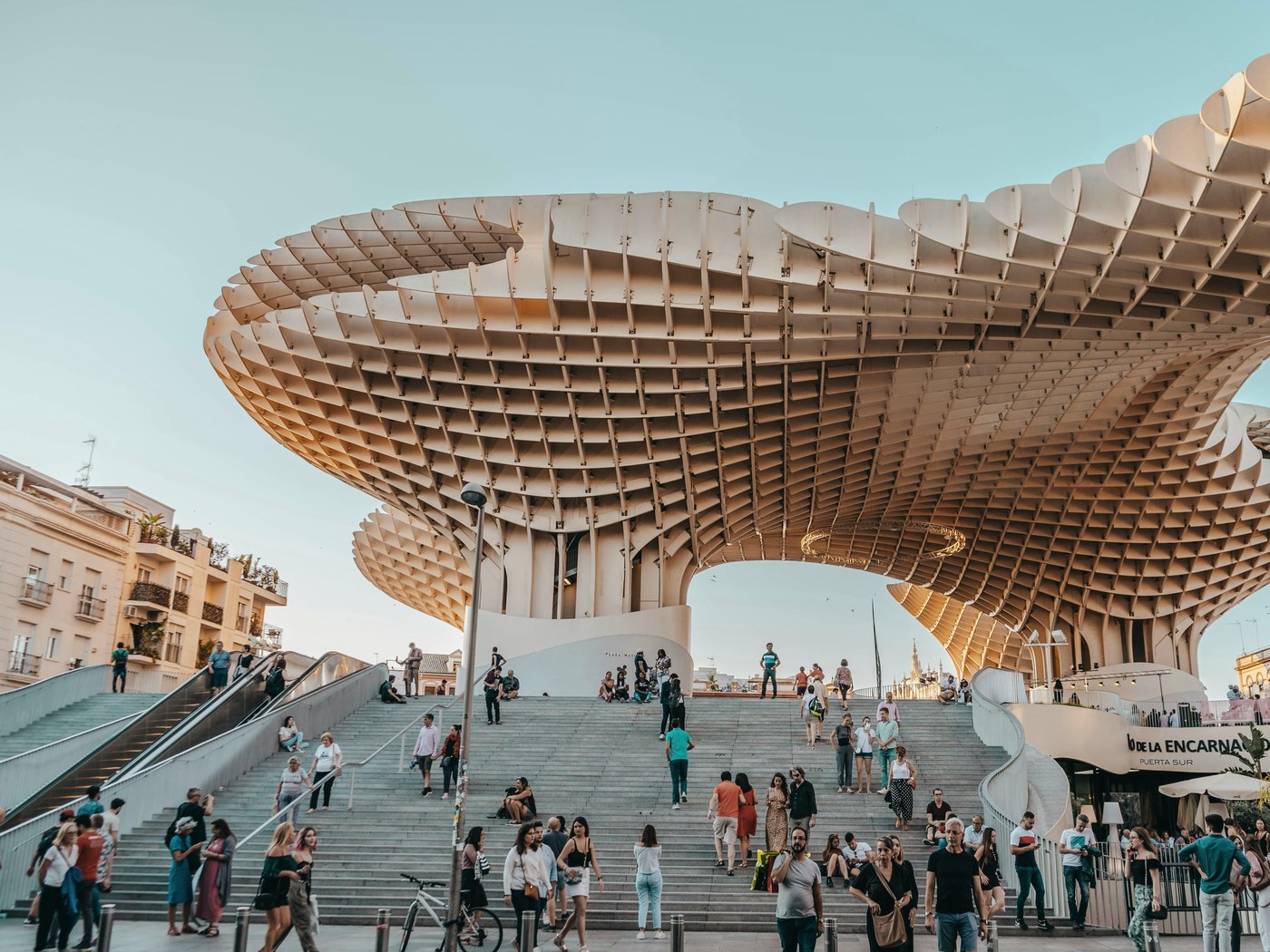
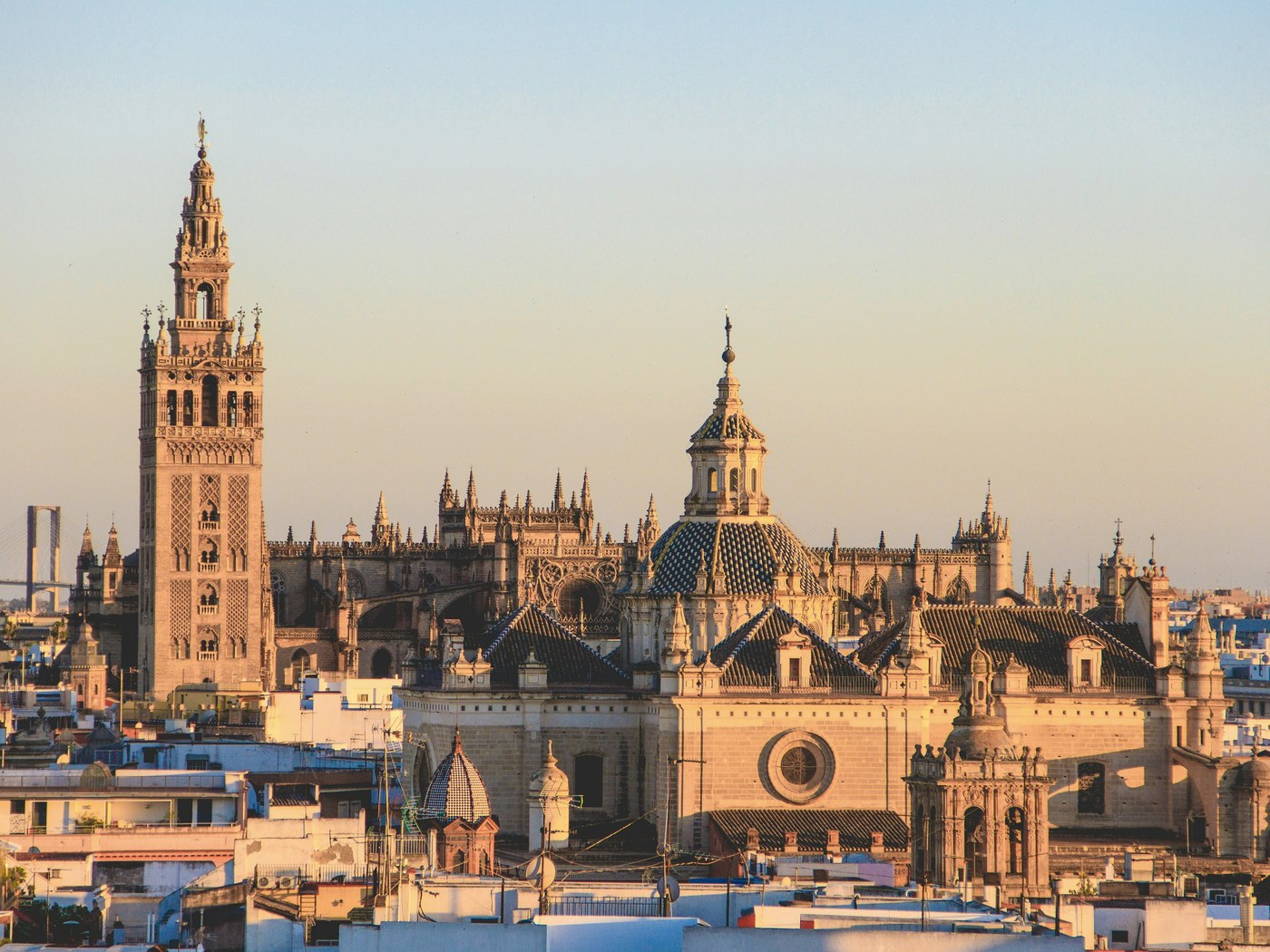
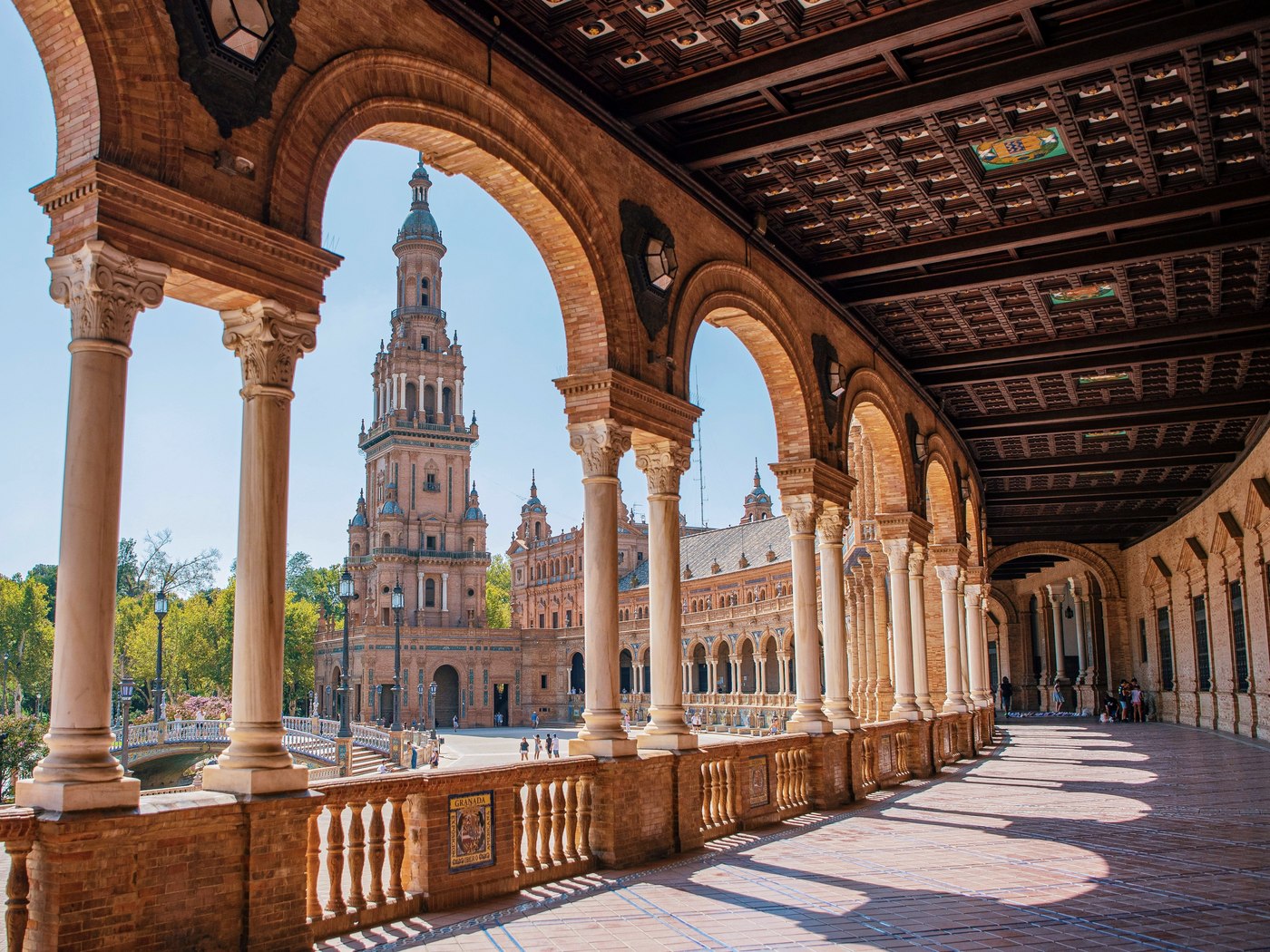
The cathedral holds the Giralda, the minaret that became a bell tower. The Alcázar and the Archivo de Indias stand a few minutes from it, and all three are UNESCO World Heritage. Plaza de España was built for the 1929 Ibero-American Exposition. The wooden canopy over the Encarnación square was finished in 2011.
| Where you land | The way into Seville |
|---|---|
| Seville, San Pablo (SVQ) | The airport is 10 kilometres from the centre. Bus EA goes to Santa Justa, Prado de San Sebastián and Plaza de Armas, every 12 to 20 minutes from 04:30 until 01:00. A taxi takes about 20 minutes. |
| Madrid, Barajas (MAD) | Cercanías line C1 runs from terminal 4 to Atocha in about 30 minutes, twice an hour. AVE trains leave Atocha for Sevilla Santa Justa every hour and take around 2 hours 30 over 471 kilometres. |
| Málaga (AGP) | The C1 train from the airport reaches María Zambrano station in about 12 minutes. From there AVE and Avant trains reach Santa Justa in about 2 hours, with 18 to 20 departures a day. |
| Barcelona (BCN) | The Aerobús reaches Sants in about 20 minutes. Three or four direct trains a day go on to Santa Justa and take around six hours. Changing in Madrid is usually shorter, at 2h30 plus 2h30. |
| Madrid, by coach | Coaches from Estación Sur, and from terminal 4 at Barajas, reach Plaza de Armas in about 6 hours 20. That is the city coach station, beside the river. |
| By road | Madrid is 530 kilometres by the A-4 and Málaga 210 by the A-92. Barcelona is a little over 1,000. Much of the centre is pedestrian, so park at the accommodation or in a public car park. |
Sevilla Santa Justa takes the high-speed trains and sits just north of the old town. Coaches use Plaza de Armas, beside the river, and Prado de San Sebastián for destinations inside Andalusia.
Book to land before 2:00 pm on 4 February. A morning flight into Madrid or Málaga still gets you to Santa Justa in time. A flight into Barcelona on the same day does not.
Real skills for fashion, work and life, and no fashion background needed. The exchange works through non formal learning, so the outcomes are practical and named: you can describe them to an employer or a university the week you get home.
01
02
03
What fast fashion costs, which European rules now apply to textiles, and where design sits inside the reduce, reuse and recycle hierarchy.
How to brief a collection around durability, reuse and low impact. How to read a material and a supply chain. Facilitating a group, and building a digital toolkit.
Confidence to talk about sustainability without lecturing, in English and in your own language, empathy across two cultures, and the reflex of asking where a garment came from.
All of it is written into a Youthpass, the European certificate that describes the competences you build outside formal education. It records them against the eight key competences for lifelong learning, which is the vocabulary employers and universities across the EU already use.
The group also leaves something behind: a public showcase in Seville, and a digital toolkit of guides and videos that stays open to anyone. Back home, you run one local action of your own, such as a workshop in a school or youth centre. An online follow-up meeting lets the two groups compare what worked.
What is Youthpass?Applications close on 6 December 2026. We notify all applicants of the results on or before 14 December 2026.
Before you start, read the infopack. It sets out the programme and the practical details.
Questions before then? Write to [email protected].